What Are the Signs Your Water Heater Is Failing or Losing Efficiency?
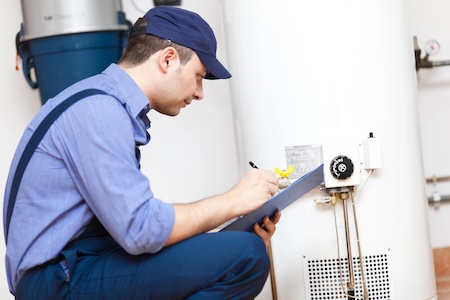
Cold showers on a busy morning in Greenwich are no fun. If your hot water turns lukewarm, runs out fast, or the heater makes odd sounds, your system could be warning you that trouble is coming. This guide explains the most common signs of a failing or inefficient water heater and when to bring in a licensed Plumber for help. If you are already noticing red flags, schedule professional water heater repair so a trained tech can check it before a small issue becomes a bigger one.
Home styles around Old Greenwich, Cos Cob, Riverside, Glenville, and Belle Haven vary from historic colonials to newer construction. Age, water quality, and heavy seasonal use all affect equipment lifespan. A clear checklist makes it easier to decide whether to repair or plan for replacement.
Top Signs Your Water Heater Is Failing in Greenwich, CT
Watch for these changes. One or two can be normal once in a while. When they stack up, it usually points to a failing or inefficient unit.
- Rusty water from the hot tap is a red flag. Brown or orange tint often means internal corrosion or a failing anode rod.
- Water turns lukewarm or runs out quickly. That often points to sediment buildup that reduces capacity.
- Temperature swings from shower to shower. Thermostat or burner problems can cause uneven heating.
- Rumbling, popping, or hissing noises. Sediment can harden and create hot spots that make noise as water heats.
- Moisture, drips, or pooling under the tank. Even small leaks need attention before they expand.
- Pilot light or ignition that won’t stay lit. That can signal sensor, gas supply, or control issues.
- Higher energy bills without a change in usage. Loss of efficiency makes the heater work longer to deliver the same result.
- Frequent resets or error codes on tankless models. Scale on the heat exchanger or insufficient gas supply can trigger faults.
Do not ignore sudden temperature swings that appear with new noises or discoloration. That combination often points to internal wear that will not improve on its own.
Why Efficiency Drops in Tank and Tankless Models
Both tank and tankless water heaters can lose efficiency over time. In tank models, minerals settle at the bottom. The burner then must heat a layer of sediment before it heats your water. That wastes energy and can overheat the tank’s base. In tankless units, mineral scale coats the heat exchanger and restricts flow, which forces longer run times for the same temperature rise.
Other common efficiency drains include aging anode rods, failing thermostats, weak gas pressure or electrical supply, and undersized systems after home additions or family growth. Homes near the coast often see more humidity in mechanical rooms, which can speed up surface corrosion on older tanks.
If your unit is near the end of its typical service life, efficiency drops are expected. Many tank heaters last about 8 to 12 years with proper care. Tankless models can reach 15 to 20 years when maintained by a professional. The key is catching decline before it leads to leaks or outages.
Repair or Replace: How Greenwich Homeowners Can Decide
Start with age and symptom severity. If your tank is under 8 years old and shows minor issues like a weak thermostat or a small valve problem, a repair may restore normal performance. If the tank is older, leaking at the base, or shows repeated issues, your Plumber may recommend replacement to protect your home.
- Lean toward repair for single, isolated issues on a newer system with a clean maintenance history.
- Plan for replacement if you see multiple symptoms, rising bills, or repeat breakdowns within a short period.
- Consider upgrade if hot water demand has changed after a kitchen or bath remodel, a finished basement, or an expanded household.
Small leaks can turn into big damage fast, especially in finished basements or utility rooms with storage. If you notice dampness around the base, move stored items and call a licensed pro right away.
Tank vs. Tankless Water Heater for Local Living
Both systems can serve Greenwich homes well. The better choice depends on your space, fixtures, and usage patterns.
Tank heaters store a set volume of hot water and can be a solid fit for smaller homes or condos. They have a lower upfront investment and simpler venting options. Tankless systems heat on demand and save space on the wall. They provide continuous hot water within their capacity range and can be a smart pick for households with back-to-back showers or large soaking tubs.
Local context matters. Many homes in Riverside and Cos Cob have long pipe runs to second-floor bathrooms. That can delay hot water delivery. A professional can review options such as recirculation strategies that pair well with certain tank or tankless setups. If you are weighing your choices, use a trusted partner for water heater repair in Greenwich, CT to evaluate your home and recommend the right path.
Safety tip: If you smell gas near your water heater or see scorch marks around the burner compartment, leave the area and call a professional right away. For urgent help, call 203-321-8689.
How a Licensed Plumber Diagnoses Water Heater Problems
A trained technician starts with a full visual and safety check, then reviews performance history and symptoms you have noticed. They verify the energy or gas supply, look for error codes on tankless units, and assess venting and combustion health on gas models.
Next comes a closer look at the components that most often fail. On tank heaters, that includes the temperature and pressure relief valve, thermostat, burner assembly, and the anode rod that protects the tank from corrosion. On tankless models, testing focuses on sensors, flow rates, and scale on the heat exchanger. The goal is to find the real cause so the fix lasts.
When the path is clear, your technician will explain the options in plain language. If repair makes sense, they will restore safe operation and confirm stable temperatures. If the heater is near the end of its lifespan, they will size a replacement that matches your fixtures and daily use. For broader plumbing needs during the same visit, explore our full range of plumbing services to keep your system running smoothly.
Local Factors That Shorten Water Heater Lifespan
Fairfield County homeowners see a few patterns that can shorten equipment life:
Winter workload. January and February often bring the heaviest demand as incoming water is colder. Your heater runs longer to deliver the same shower temperature. Basements in older Greenwich homes can also be cooler, which raises standby losses on tank models.
Mineral content. Even moderate levels can create scale on burners and heat exchangers. Scale acts like a blanket between the flame and the water, forcing longer cycles. Professional service helps slow this buildup and keeps efficiency more stable over time.
Location and ventilation. Tight utility closets or crowded storage around the heater can limit airflow and trap moisture. That environment is hard on components and can lead to surface rust or mold around the base. Keep the area neat and clear so a technician can access the unit quickly during a visit.
Performance Clues From Around the House
Your water heater touches more than showers. Look for hints elsewhere to catch early decline:
Kitchen cleanup takes longer because hot water seems weak at the sink. A guest bathroom in Old Greenwich is noticeably cooler than the primary bath upstairs. Laundry loads finish with lukewarm rinse water even when set to warm. These patterns help a Plumber pinpoint whether the issue is with the heater, a mixing valve, or distribution to distant fixtures.
Listen near the unit after it cycles off. Prolonged sizzling or pinging can suggest trapped moisture or overheating at sediment hot spots. If the burner seems to run for unusually long stretches, that can signal a failing thermostat or heavy scale.
Simple Habits That Protect Your Investment
You do not need to tinker with the unit to make a difference. The most effective steps are awareness and timely service:
- Check the area around the heater when you pass by for any damp spots or rust trails.
- Note changes in shower comfort, water color, or new sounds. Write down what you notice and when it started.
- Keep the space around the heater tidy so a technician can work safely and spot issues faster.
- Schedule periodic professional maintenance to extend useful life and improve reliability.
Never light a match near a suspected gas leak or try to relight a finicky pilot. Leave that to a licensed professional who can test safely and correct the underlying cause.
Ready for Consistent Hot Water in Greenwich, CT?
If your home in Riverside, Cos Cob, Glenville, Belle Haven, or Old Greenwich is showing signs of failure, act now. A fast diagnosis protects your home and keeps daily routines on track. Call 203-321-8689 to speak with Comfort Masters, or schedule expert water heater repair and replacement service at a time that works for you.
Whether your goal is to restore a dependable tank system or evaluate a tankless upgrade, our licensed team will guide you with clear options. From inspection to final setup, you get courteous service and work backed by a quality-first approach. When hot water matters most, trust Comfort Masters to keep your home comfortable.
YOUR COMFORT MATTERS! REACH OUT TO OUR PLUMBING & HEATING EXPERTS IN STAMFORD TODAY!